Politics
The Crisis of Representation and a New Idea of Democracy
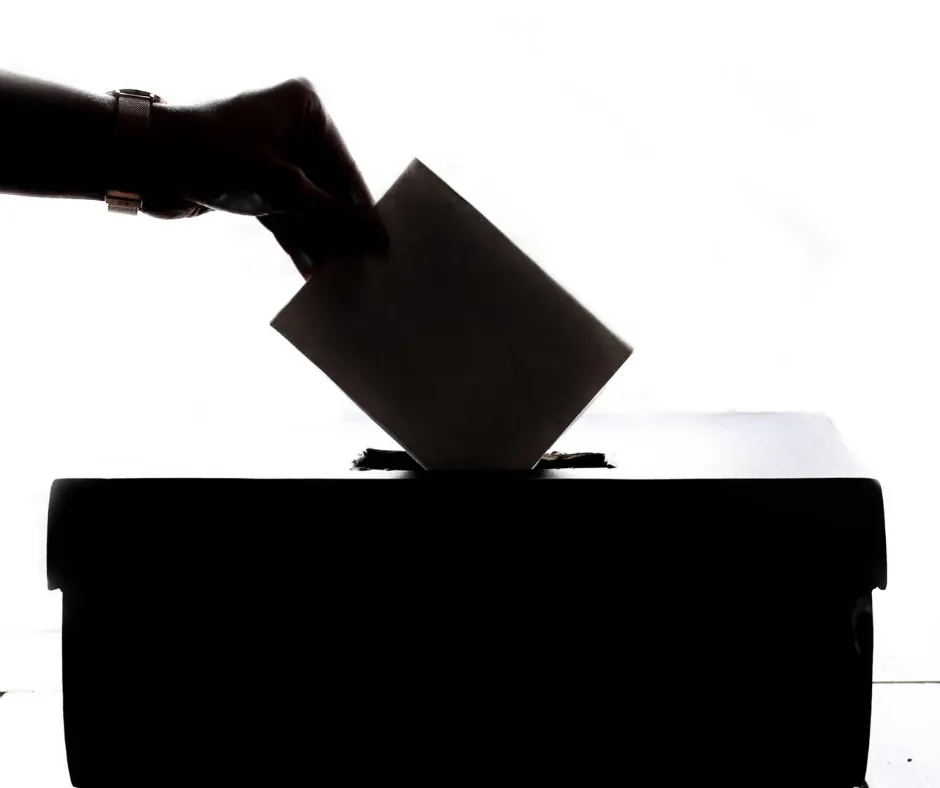
The internet, as we know, has revolutionised many aspects of social life, and has consequently brought changes to the world of politics too. The way parties address citizens has changed, as has the way voters choose their representatives; communication has become far more direct and much more intense. Beyond the methods, the issues on which politics focuses have changed as well. Today we see a national and international trend towards movements based in some way on more participatory models of political representation, increasingly leaning towards some form of direct democracy. A model, in other words, in which citizens themselves express their views on the choices to be made, rather than choosing a representative to act in their place. Such a model has in fact existed in history, in some city-states of ancient Greece, and was later abandoned in favour of today's representative democracy.
The internet is essentially the tool that would, to all intents and purposes, already allow us today to implement a model in which every citizen votes and expresses a view directly on every matter concerning the government of the country. The logistics of a “perpetual” popular consultation, perhaps the main obstacle that fifty years ago would have prevented us from reorganising the democratic process in direct form, have ceased to be a problem thanks to the internet. One experiment in this direction in Italy was the Five Star Movement's Rousseau platform, with all its limitations.
It therefore becomes necessary to ask whether a transition towards direct democracy, or at least a rethinking of democracy in a more participatory form, might not in fact be desirable. We must examine whether, beyond logistics, indirect democracy brings any other benefit, or whether that benefit is broadly negligible and can therefore be dispensed with. This analysis must take into account the distinction between political representation and the imperative mandate, which is essential to understanding the fundamental difference between representative and direct democracy. Representatives, in fact, make decisions within the dichotomy between the imperative mandate (voting according to the will of the voters) and political representation (voting according to their own judgement, drawing on their own expertise in order to pursue the voters' interests).
While for choices based on the imperative mandate one could, at least in principle, eliminate the “extra step” of representation and allow individual citizens to express themselves directly, direct democracy would completely eliminate the agency relationship that underpins political representation. That is, the idea that voters rely on a representative not as a go-between but as an agent, who pursues the interests of those represented by using skills and knowledge they themselves do not possess. It is in fact absurd to think that every citizen has the training and the time needed to become adequately informed and to perform directly the functions we now delegate to our representatives. Put simply, every citizen specialises in the particular career they choose to pursue, and in most cases this does not include the skills needed to assess complex policies concerning the government of the country. This is precisely why, historically, we decided to entrust all this work to people who have the appropriate skills and who do it professionally.
Nevertheless, today we see a significant tendency among parties and political movements to “imitate” direct democracy by leaning towards an “absolute” imperative mandate. This idea pursues a mistaken simplification of the political process, according to which the representative always simply carries out the wishes of those represented, eliminating any agency relationship and professional judgement. This encourages voters to perceive that representatives themselves could actually be done away with. But that is not the case: the solutions to complex problems are themselves complex and cannot be reduced to a simple popular consultation.
That said, it is certainly true that digital technology can bring significant, even radical, improvements to our political process. The internet can indeed foster new and better models of active citizen participation without necessarily undermining the concept on which representation rests. We need to understand and recognise the value of delegates' expertise, and make use of the benefits of the agency relationship, through which solutions can actually be found to the demands expressed by citizens without citizens themselves having to deal with them directly. For this reason there is no need to resist a change that is under way, and that hopefully will continue, bringing greater popular participation in the management of public affairs, without, however, cancelling out the positive aspects of representation that the current model offers us.
Views expressed in articles are the authors' own and do not necessarily represent those of the association or of Bocconi University.
The great advances of civilization, whether in architecture or painting, in science or literature, in industry or agriculture, have never come from centralized government.
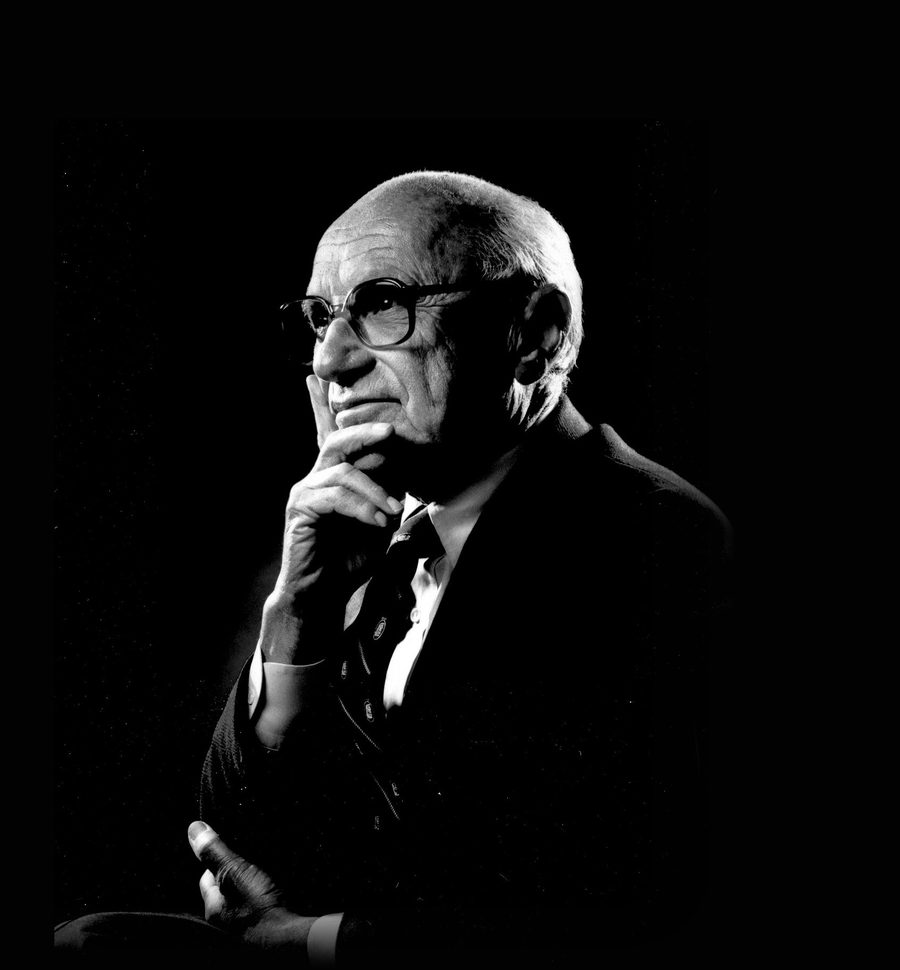 Milton FriedmanCapitalism and Freedom, 1962