Politics
A Venezuelan telenovela
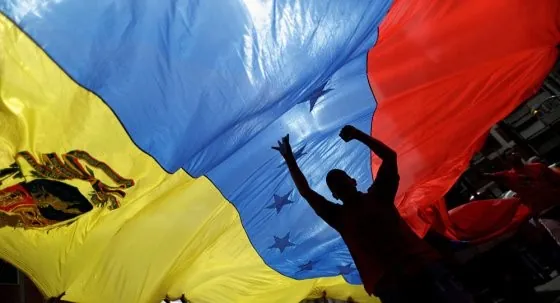
For Venezuela, 20 May will not be a Sunday like any other. For the first time since 1998, the parties of the historic opposition to Hugo Chávez will not field their own candidate in the presidential election. Faced with this disheartening scenario, voters will be forced to choose between the incumbent government, represented by Nicolás Maduro, and candidates who, so far, have the backing of no traditional party.
For at least two years Venezuela has been going through the worst economic crisis in its history, a recession that has by now compromised access even to basic foodstuffs for at least two thirds of the population. There is also the institutional crisis caused by the Constituent Assembly to consider. Set up abruptly by the Bolivarian government in May 2017, the Constituent Assembly first met with resistance from the opposition but later managed to strip the parliament elected in 2015 (where opposition parties held a majority) of its legislative powers.
The presidential election was originally expected at the end of the year, but the National Constituent Assembly, aiming to strengthen Maduro's leadership and deal a heavy blow to his political opponents, decided to bring it forward, ruling that it would be held in the spring of 2018.
While the National Assembly (the Venezuelan parliament) and the Constituent Assembly were locked in an internal struggle for legislative power, Venezuela also held regional elections. According to the official results, the opposition (MUD) won 5 of the 23 states, results that the coalition contested and never recognised. Despite the accusations of fraud, the Constituent Assembly, having succeeded in monopolising legislative power, gave the opposition parties an ultimatum: either they recognised the results or they would be shut out of political life. Only one of the coalition parties, the social democrats of Acción Democrática, gave in to the blackmail, de facto legitimising the Constituent Assembly as the new legislative body, so as to keep 4 of the 5 regional governorships it had won. The accusations levelled by the government against the parties that had not yielded to the demands of the CA (Constituent Assembly) triggered a harsh response from the judiciary, which in the following months began to persecute and disqualify the opposition's political leaders, María Corina Machado, Henrique Capriles, Leopoldo López and others, even barring them from standing in future elections. In addition, all opposition parties except AD were banned from the institutions.
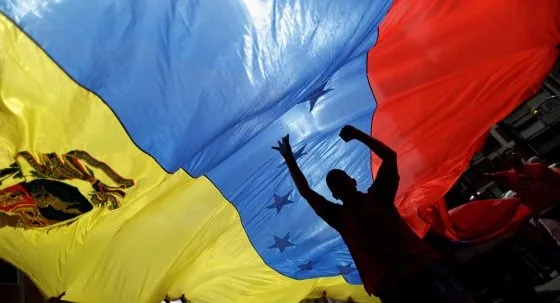
These are the conditions that led the coalition of parties opposed to the regime not to take part in the upcoming election. The announcement came on 21 February in an official statement denouncing the lack of democratic guarantees. The race for La Casona is thus reduced to three main names:
1) The current president, Nicolás Maduro Moros, who now has a second term in sight, having managed to secure the internal backing of a ruling party worn down by the general crisis the country is suffering.
2) Henri Falcón, an early supporter of chavismo, former governor and member of the PSUV (United Socialist Party of Venezuela, founded by Hugo Chávez), and today founder of “Avanzada Progresista”, a coalition of dissidents from the ruling camp.
3) Javier Bertucci, the man with two faces: an evangelical pastor, philanthropist and businessman with thousands of supporters across the country; charged with diesel smuggling and accused of shady ties to the government, made worse by the fact that his name appears in the Panama Papers.
The outcome seems already decided: according to recent polls, 80% of Venezuelans do not believe the election results will be genuine, a sign of citizens' complete lack of trust in the institutions. All that remains is to wait for the fateful day and hope for yet another plot twist, wishing that this time it has positive effects and that Venezuela's rapid decline can be halted after more than 50 years of disastrous economic and social policies.
Views expressed in articles are the authors' own and do not necessarily represent those of the association or of Bocconi University.
Little else is requisite to carry a state to the highest degree of opulence from the lowest barbarism, but peace, easy taxes, and a tolerable administration of justice.
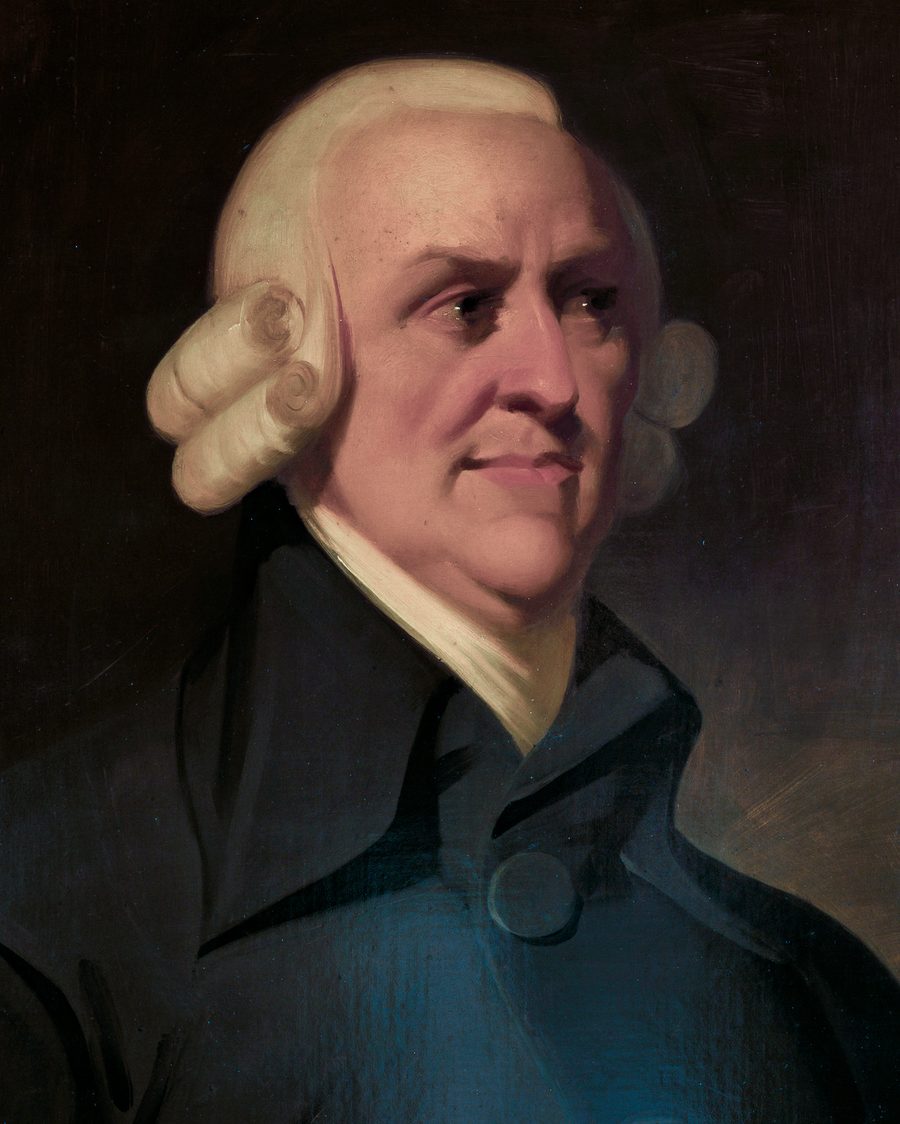 Adam Smith1755 lecture, reported by Dugald Stewart