World
WES: good, but not great
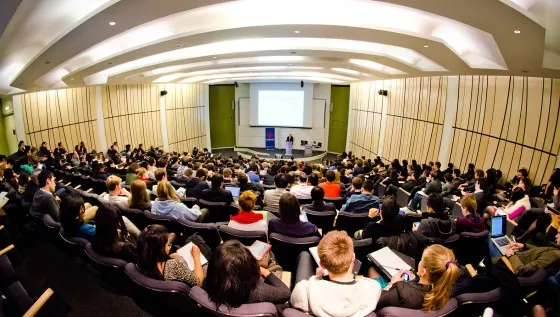
From Friday to Sunday last week the Warwick Economics Summit took place, one of the largest student-run economics events: three packed days of talks attended by speakers and students from all over the world, including a delegation from Studenti Bocconiani Liberali.
Now that we are back in Milan, we think a few observations are in order.
The WES is the result of a whole year's work by a large team of students, who collaborate closely with the university to put together an event with good content, but one that impresses above all for the logistical effort it requires.
Around 200 students from outside attend the WES, and they are put up in the campus hotel (yes, an actual hotel), where the organisers look after them with remarkable efficiency.
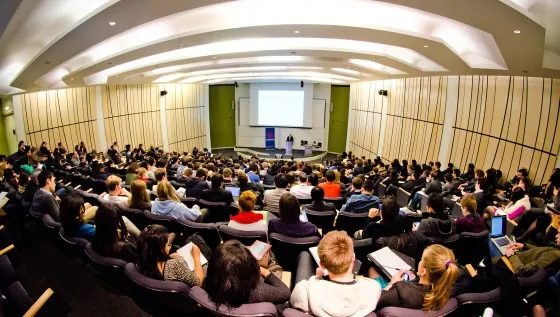
The organisers not only made it possible for the campus to cope with 200 more people than usual, but also provided plenty of downtime, from breakfasts, coffee breaks and receptions to the closing Ball (which is not on a par with our Gala, but was not bad at all).
In short, on the organisational side there is nothing to criticise, and for those of us who took part it was as comfortable as being on holiday.
The most interesting part of the WES, though, was of course the guest talks, spread across Friday afternoon and evening, all of Saturday and Sunday morning.
We heard Letta, our former prime minister, talk about the future of the euro, Jean-François Copé discuss economic and political solutions to rampant populism, then Nobel laureate Sir James Mirrlees comment, in a very measured tone, on the “problem” of growing inequality and its causes, and many other researchers and economists besides.
The talks we attended were basically of two kinds.
The most interesting and instructive were the presentations by researchers describing their latest work: we heard about the latest advances in the study of emotions applied to game theory, and saw a new technique for measuring the happiness of our ancestors through the books they wrote.
We also heard a hilarious talk on the qualities a leader needs in a world as uncertain as ours.
The most controversial talks, on the other hand, were those on today's economic problems, which in our view were interesting, but also extraordinarily one-sided and shallow.
Letta, for example, spoke about the euro crisis but did not mention even once the unsustainable debt of many eurozone countries; Copé complained about populism, but did little more than that and offered no real solutions; Dambisa Moyo, in her video message, sent us a muddled warning about growing inequality and the consequences of climate change; Sir Mirrlees was equally disappointing, starting with the introduction to his talk, which was based on the notorious Oxfam study on wealth inequality (which relied on misleading measurement techniques and was widely debated).
Income inequality, social justice, accountability and climate change were the most recurrent themes, none of them examined or debated in any depth, but all thrown onto the pile of worries of the academic establishment and its cosmic pessimism.
To be honest, we expected nothing else.
Summits like this one (as Davos shows) are not designed to challenge the establishment, but to teach young people to share the same worries and the same (right) sense of responsibility as our current leaders.
This is not the place to discuss the fact that the very leaders who hand down verdicts may be responsible for the dangers they now warn us about with furrowed brows.
In any case, we had a hugely enjoyable trip to Warwick and learned a lot too.
That is why we recommend that everyone take part next year.
We do hope, however, that other venues will make room for questioning and challenging the most widespread opinions, because there is no progress in thought without a critical eye on the world, especially in a discipline as polluted by outside interests as economics.
An idea being embraced by the establishment is certainly no guarantee that it is correct, and as was rightly said at the WES, it is up to us students to ask questions about the future.
Views expressed in articles are the authors' own and do not necessarily represent those of the association or of Bocconi University.
Little else is requisite to carry a state to the highest degree of opulence from the lowest barbarism, but peace, easy taxes, and a tolerable administration of justice.
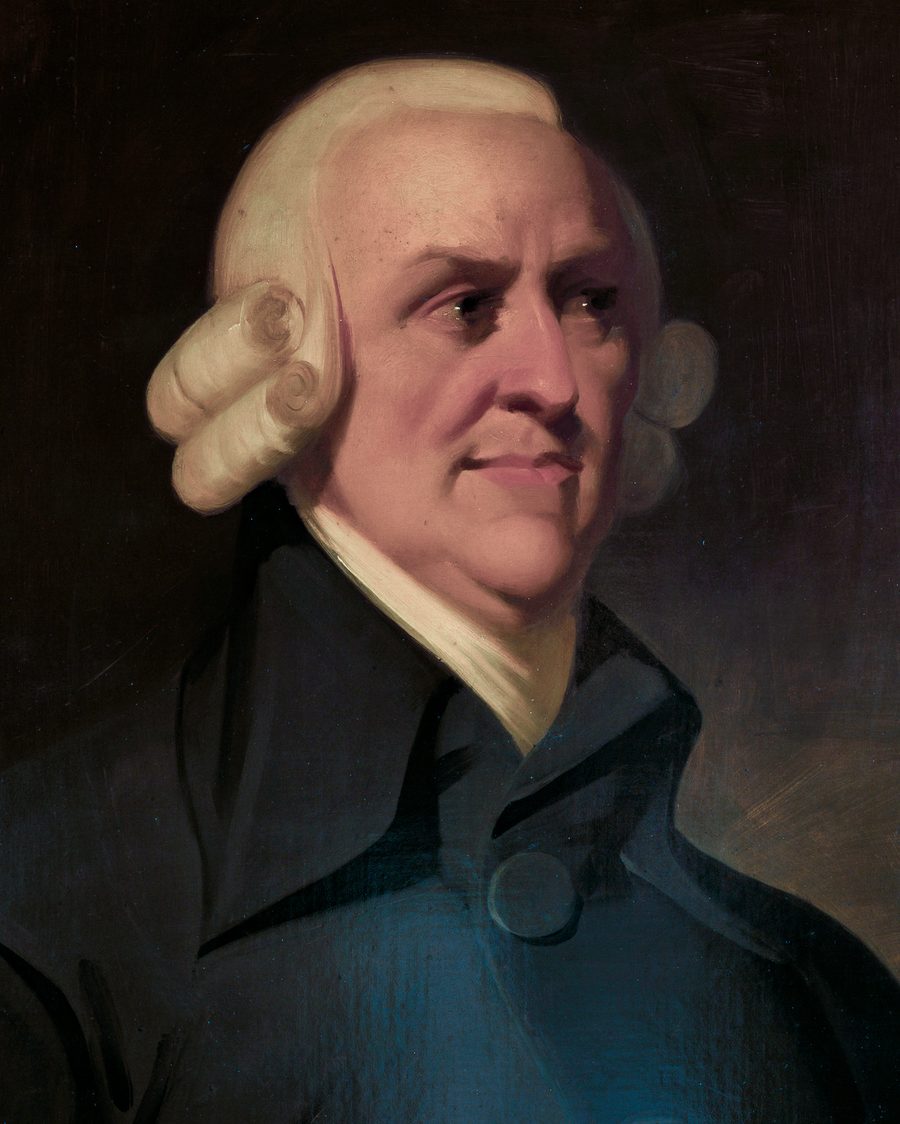 Adam Smith1755 lecture, reported by Dugald Stewart